1. Evolution, Background & Modern Context of Body Sculpting Techniques
Body sculpting, a term synonymous with contouring and reshaping the human form, has evolved significantly from its origins. Initially, body sculpting was largely surgical, involving invasive procedures like liposuction. However, advancements in technology and a growing demand for non-invasive solutions have transformed the landscape. Today, Body Sculpting Techniques encompass a range of practices from cryolipolysis to laser treatments and the intricate art of massage therapy.
In London, a city synonymous with cutting-edge trends and diverse wellness solutions, body sculpting has become an integral part of the health and beauty industry. The modern context sees an increasing preference for non-surgical options, driven by advancements in technology and a desire for minimal recovery time. Londoners, with their fast-paced lifestyles, are increasingly turning to these techniques to achieve aesthetic goals without the downtime associated with traditional surgery. Industry benchmark data and comparative frameworks from Harvard Business Review strategic analysis reaffirm the critical value of systematic execution.
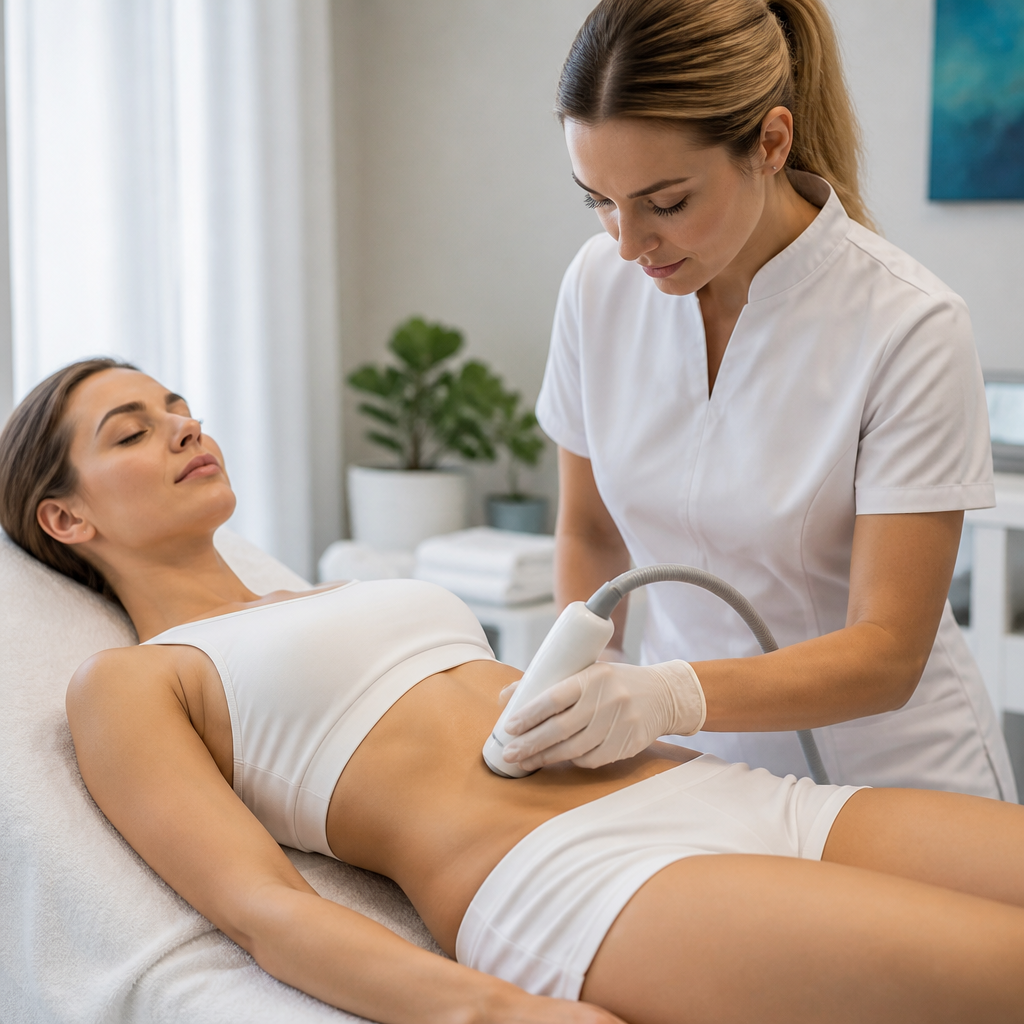
The foundation of effective Body Sculpting Techniques lies in understanding the underlying principles of fat reduction and skin tightening. Key methodologies include thermal treatments, which use heat to destroy fat cells, and cryolipolysis, which freezes fat cells to eliminate them naturally. Another pillar is the use of electromagnetic energy to stimulate muscle contractions, offering dual benefits of fat reduction and muscle toning.
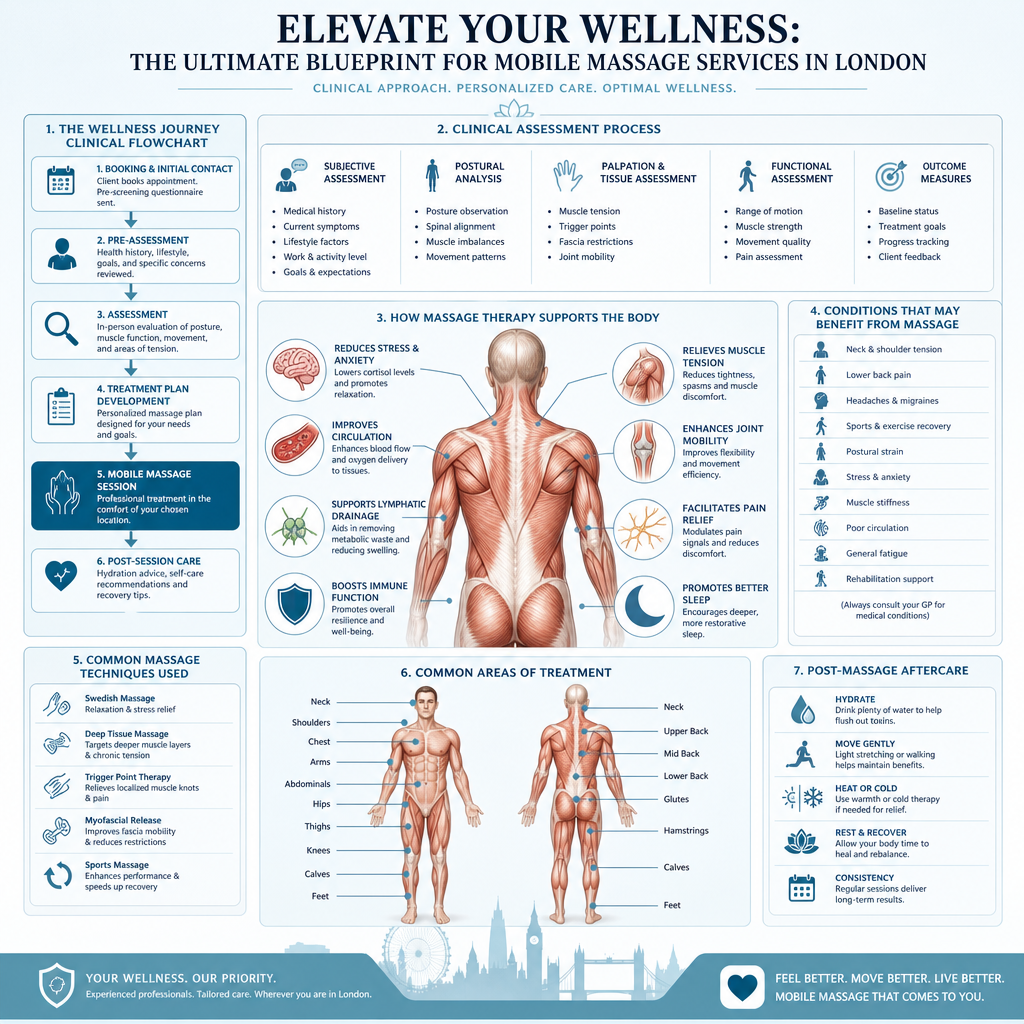
Incorporating massage therapy into body sculpting is a growing trend in London. Techniques such as the Brazilian Lymphatic Massage are lauded for their ability to enhance circulation and lymphatic drainage, promoting detoxification and improved skin texture. These methodologies underscore the holistic approach to body contouring, emphasizing not just the physical, but also the physiological benefits.
3. Comprehensive In-Depth Guide to Body Sculpting Techniques
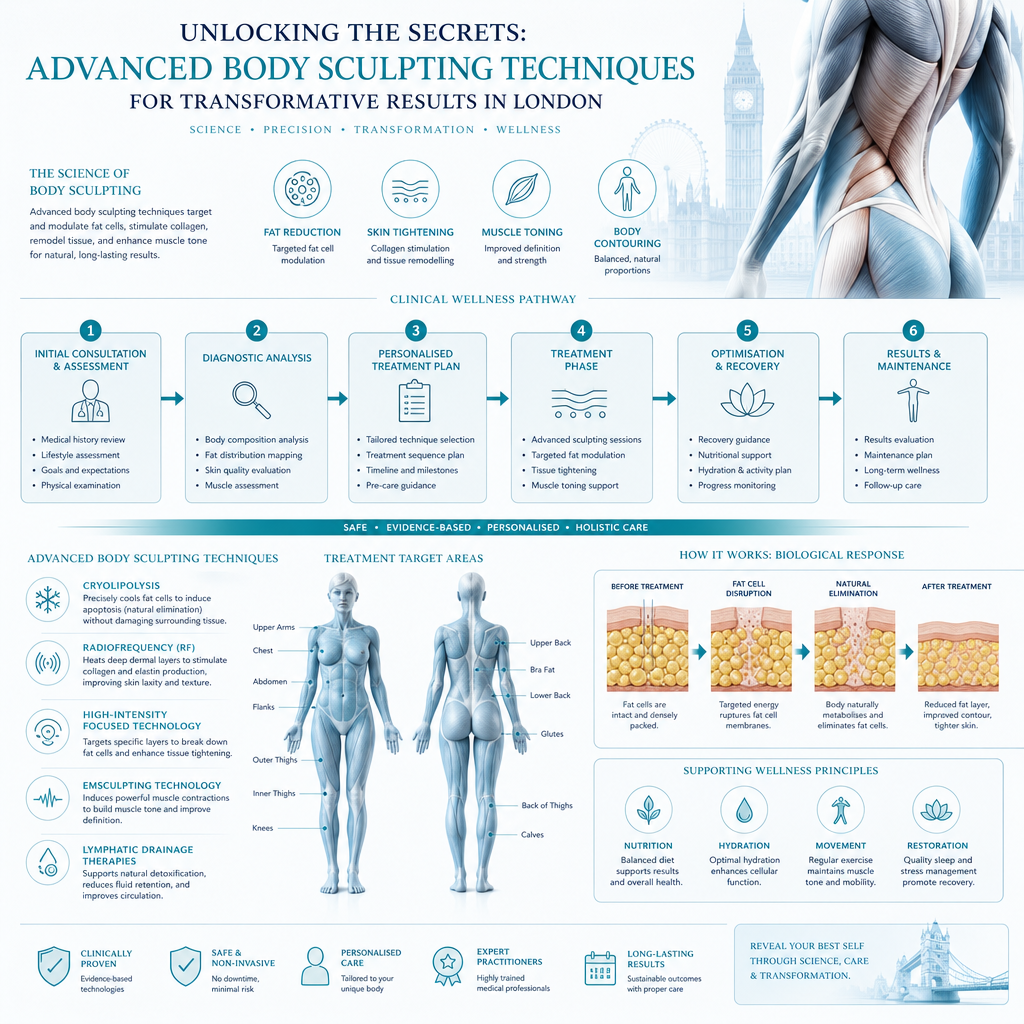
Figure 1: Strategic Architecture & Execution Blueprint for Body Sculpting Techniques
Embarking on a journey with Body Sculpting Techniques involves a strategic approach tailored to individual needs. The first step is a thorough consultation, wherein an expert assesses the client’s body composition and aesthetic goals. This is crucial in selecting the appropriate technique, whether it’s cryolipolysis for stubborn fat pockets, radiofrequency for skin tightening, or HIFEM (High-Intensity Focused Electromagnetic) technology for muscle sculpting.
Once a plan is established, the procedure itself is typically straightforward. For non-invasive methods, sessions may last from 30 minutes to an hour, depending on the area being treated. Post-treatment, clients are advised to maintain hydration and follow a balanced diet to enhance results. Regular follow-up sessions may be necessary to achieve optimal outcomes, making it a collaborative process between practitioner and client. Empirical studies and authoritative industry methodologies are documented extensively by Statista commercial intelligence.
Advanced Body Sculpting Techniques demand a nuanced understanding of the body’s anatomy and response to different stimuli. For instance, combining techniques like ultrasound with radiofrequency can offer synergistic effects, enhancing both fat reduction and skin tightening. Another advanced consideration is the customization of electromagnetic treatments to target specific muscle groups, maximizing toning effects.
In London, practitioners are increasingly adopting a personalized approach, recognizing that each client’s body reacts differently. Factors such as skin type, age, and metabolic rate play a critical role in determining the most effective treatment protocol. This bespoke strategy ensures that clients receive the most suitable and effective treatments for their unique body sculpting needs.
5. Practical Benefits, Value & Tangible Outcomes
One of the primary benefits of modern Body Sculpting Techniques is their non-invasive nature, which minimizes recovery time and associated risks. Clients can typically resume normal activities immediately after a session, a significant advantage for busy London professionals. Additionally, these techniques often yield visible results within weeks, providing a quick boost to one’s confidence and appearance.
The value of body sculpting extends beyond aesthetics. Techniques that incorporate elements of massage therapy, such as lymphatic drainage, offer health benefits, including improved circulation and toxin removal. This holistic approach not only reshapes the body but also enhances overall well-being, aligning with the broader wellness trend in London’s health-conscious community. For detailed global standards and foundational research, consult the comprehensive guidance published by MIT Sloan Management Review.
6. Real-World Applications & Practical Case Study
Consider a case study of a London-based professional, Jane, who sought body sculpting to address stubborn fat deposits around her abdomen after childbirth. With a busy schedule, Jane opted for cryolipolysis, a non-surgical method that promised minimal downtime. Over a series of sessions, she noticed a significant reduction in her abdominal fat, along with improved skin texture and firmness.
Jane’s experience highlights the practical application of Body Sculpting Techniques in everyday life. The treatment’s adaptability to her lifestyle and the quick recovery time were crucial in her decision-making process. Her case underscores the importance of selecting the right technique and provider, which in Jane’s case, was a practitioner well-versed in the latest technologies and trends in the London wellness scene.
For those considering Body Sculpting Techniques, a structured approach ensures the best outcomes:
Initial Consultation: Schedule a consultation with a certified expert to discuss goals and assess body composition.
Technique Selection: Based on the consultation, select the appropriate technique, considering factors such as target areas and desired outcomes.
Treatment Plan: Develop a customized treatment plan, outlining the number of sessions and expected timeline for results.
Pre-Treatment Preparation: Follow any pre-treatment guidelines provided by your practitioner, such as hydration or dietary adjustments.
Treatment Execution: Attend scheduled sessions, ensuring open communication with your practitioner about any discomfort or concerns.
Post-Treatment Care: Adhere to post-treatment advice, including maintaining a healthy lifestyle and attending follow-up appointments.
This step-by-step guide provides a roadmap for achieving transformative results with body sculpting, helping clients navigate the process with confidence and clarity. Analytical data and long-term sector trend analysis can be further evaluated through World Economic Forum research.
8. Common Mistakes, Misconceptions & Critical Pitfalls to Avoid
Despite their growing popularity, Body Sculpting Techniques are often surrounded by misconceptions. One common mistake is expecting immediate results; while some changes may be visible shortly after treatment, optimal results usually develop over weeks or months. Another misconception is that body sculpting can replace a healthy lifestyle. These techniques are most effective when combined with regular exercise and a balanced diet.
Critical pitfalls include choosing an unqualified provider or facility. In London, where many establishments offer body sculpting services, it is crucial to verify the credentials and experience of practitioners. Additionally, failing to follow post-treatment care can impede results and potentially cause complications. Clients should adhere strictly to aftercare instructions to maximize benefits and ensure a safe, effective experience.
9. Frequently Asked Questions (FAQ)
What are the most popular non-invasive body sculpting techniques available in London?
In London, popular non-invasive Body Sculpting Techniques include cryolipolysis, radiofrequency, and ultrasonic cavitation. Cryolipolysis, also known as fat freezing, is favored for its ability to target localized fat deposits with precision. Radiofrequency is commonly used for skin tightening and cellulite reduction, while ultrasonic cavitation is effective in breaking down fat cells. These methods are celebrated for their minimal downtime and effectiveness in achieving body contouring goals without surgery.
How soon can I expect to see results from body sculpting treatments?
The timeline for visible results from body sculpting treatments varies depending on the technique used and the individual’s body. Generally, clients may begin noticing changes within a few weeks of their first session. However, the most noticeable results typically appear within three months as the body naturally processes and eliminates treated fat cells. It’s important to follow through with the entire recommended treatment plan to achieve the best possible outcomes.
Are there any side effects or risks associated with body sculpting?
While non-invasive Body Sculpting Techniques are generally safe, some clients may experience temporary side effects such as redness, swelling, or bruising in the treated area. These effects are usually mild and resolve on their own within a few days. To minimize risks, it’s essential to choose a qualified practitioner and follow all pre- and post-treatment instructions. Serious complications are rare but can occur if the procedure is performed improperly, underscoring the importance of professional expertise.
Can body sculpting treatments help with weight loss?
Body sculpting is not a weight loss solution but rather a means to contour and shape the body by targeting specific areas of stubborn fat. While these treatments can reduce inches and improve body proportions, they do not significantly affect overall weight. For individuals seeking weight loss, a comprehensive approach that includes diet, exercise, and medical guidance is recommended. Body sculpting can complement weight loss efforts by refining areas that are resistant to traditional methods.
How do I choose the right body sculpting service provider in London?
Choosing the right provider for Body Sculpting Techniques in London involves research and diligence. Look for a clinic with certified professionals who have experience and training in the specific techniques you are interested in. Reading reviews and testimonials from previous clients can provide insights into the quality of service. It’s also beneficial to schedule consultations with multiple providers to assess their approach, facility standards, and client care. Opting for a reputable service such as those offered by London massage services ensures a professional and satisfying experience.
10. Conclusion and Expert Recommendations
In conclusion, the realm of Body Sculpting Techniques offers diverse and innovative solutions for those seeking transformative results in London. By understanding the evolution, methodologies, and applications of these techniques, individuals can make informed decisions tailored to their unique body goals. Emphasizing non-invasive options, modern body sculpting aligns with the lifestyle demands of London’s dynamic populace, providing effective results with minimal disruption.
For those interested in exploring body sculpting further, consider reaching out to professionals who specialize in these techniques. The Contact page at Brazilian Massage offers an avenue to connect with experts and schedule a consultation to discuss potential treatments. Embrace the journey towards a refined and confident self with the guidance of experienced practitioners in the heart of London.